Introduction
In an era where technology evolves at lightning speed, one might wonder: "Are traditional business phone systems still relevant?" The answer is a resounding yes! While modern communication tools like instant messaging and video conferencing have surged in popularity, business phone systems continue to play a vital role in corporate culture. This article delves deep into the longevity of these systems, exploring their evolution, benefits, and enduring significance in today’s corporate landscape.
Understanding Business Phone Systems
What Are Business Phone Systems?
Business phone systems refer to a range of telecommunication solutions designed for organizations to manage voice communications efficiently. These can include:
- Analog Phone Lines: Traditional landlines that have been used for decades. Private Branch Exchange (PBX): A private telephone network that allows users to communicate internally and externally. Voice over Internet Protocol (VoIP): A modern solution enabling voice calls over the internet.
The Evolution of Business Phone Systems
The journey of business phone systems has been remarkable. From the rotary dial phones of the 20th century to today’s sophisticated VoIP networks, each phase has brought innovations that cater to the dynamic needs of businesses.
The Early Days: Introduced in the late 1800s, business phones were rudimentary and limited. The PBX Era: Gaining popularity in the mid-20th century, PBX systems allowed companies to manage multiple lines from a single network. The Digital Revolution: The late 1990s saw a shift with digital switching technology, enhancing call quality and efficiency. VoIP Technology: Today’s leading-edge solution offers flexibility and cost savings; it enables businesses to make calls over the internet rather than traditional telephone lines.Exploring the Longevity of Business Phone Systems in Corporate Culture
Why Do Businesses Still Rely on Traditional Phone Systems?
Even as newer communication methods emerge, many businesses remain anchored to traditional phone systems due to several compelling reasons:
Reliability: Landlines often provide more stable connections compared to mobile networks or internet-based services. Familiarity: Employees are accustomed to using these systems; training costs for new technologies can be high. Integration Needs: Many existing systems integrate seamlessly with other office technologies like fax machines or alarm systems.Benefits of Modernizing Business Phone Systems
While traditional setups have their advantages, adapting them with modern technology—like VoIP—can yield significant benefits:
- Enhanced features such as call recording and advanced analytics Reduced costs through lower long-distance rates Improved scalability that allows businesses to grow without significant infrastructure changes
Key Features of Effective Business Phone Systems
Scalability
As your business grows, so should your phone system! A scalable system allows you to easily add users or expand functionalities without major disruptions.
Call Management Tools
Features such as call forwarding, voicemail-to-email, and auto-attendants help streamline communication processes.
Integration with Other Tools
Modern business phone systems can integrate with Customer Relationship Management (CRM) software, allowing seamless data transfer during customer interactions.
How Business Phone Systems Foster Corporate Culture
Enhancing Communication Among Teams
When employees can communicate effectively via reliable phone systems, collaboration flourishes! Whether it’s quick check-ins or lengthy discussions about projects, having robust voice communication fosters teamwork.
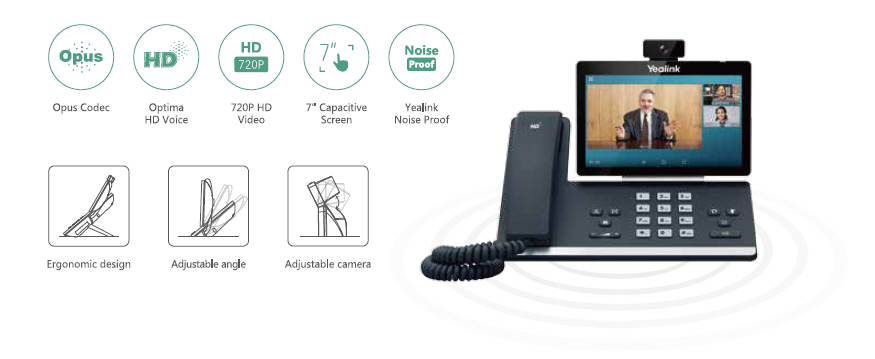
Building Client Relationships
A professional-sounding business phone system enhances credibility while establishing trust with clients. First impressions matter!
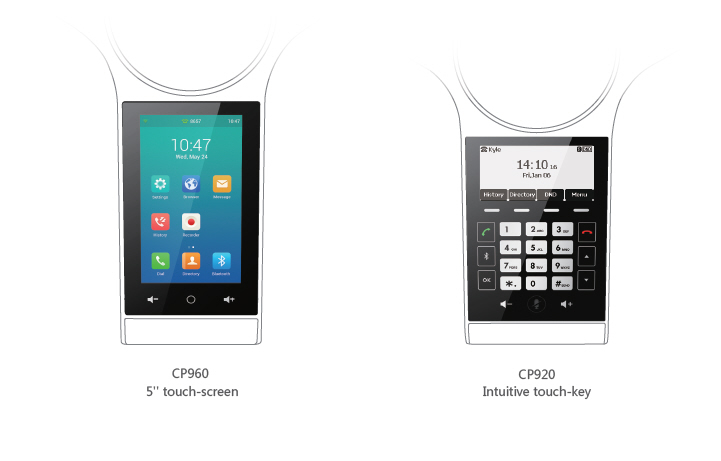
Supporting Remote Work Dynamics
As remote work becomes increasingly prevalent, having an adaptable business phone system ensures that teams stay connected regardless of physical location.
Comparing Different Business Phone Solutions
| Feature | Analog Phones | PBX | VoIP | |-----------------------|---------------------|----------------------|------------------------| | Cost | Higher operational costs | Moderate initial investment | Lower overall costs | | Scalability | Limited | Moderate | Highly scalable | | Call Quality | Often inconsistent | Good | Excellent | | Features | Basic | Advanced options | Cutting-edge capabilities |
Exploring Security Concerns in Business Phone Systems
Data Protection Strategies for VoIP Users
As businesses transition towards VoIP solutions, cybersecurity must be a top priority! Here are some strategies:
Use encryption protocols for all communications. Regularly update software and hardware components. Train employees on recognizing phishing attempts aimed at compromising telecommunication security.Legal Compliance Considerations
Organizations must also consider local regulations regarding data protection when implementing any kind of business phone system—especially VoIP!
FAQ Section
1. What is the primary advantage of using VoIP over traditional landlines?
VoIP typically offers lower costs for long-distance calls while providing advanced features such as call analytics and remote access capabilities.
2. Can I use my existing hardware with a VoIP system?
In many cases, yes! Some VoIP providers allow you to use your existing phones by simply connecting them through an adapter.
3. How do I know which business phone system is right for my company?
Consider factors like company size, budget constraints, specific features needed (like mobile integration), and future growth potential when choosing a system.
4. Are there hidden costs associated with business phone systems?
While evaluating options, it's crucial to account for installation fees, maintenance costs, and ongoing service charges that may not be immediately apparent.
5. How often should I upgrade my business phone system?
Typically every three to five years is recommended; however depending on technological advancements or shifts in company needs this could vary!
6. Can I integrate my CRM software with my business phone system?
Most modern business phone solutions offer integration options with popular CRM platforms which streamline customer interactions considerably!
Conclusion
In summary, exploring the longevity of business phone systems in corporate culture reveals their unwavering relevance despite emerging technologies. They continue serving as backbone tools for efficient communication across various organizational levels while adapting to meet contemporary demands through modernization efforts like transitioning toward VoIP solutions or integrating advanced features into existing frameworks.
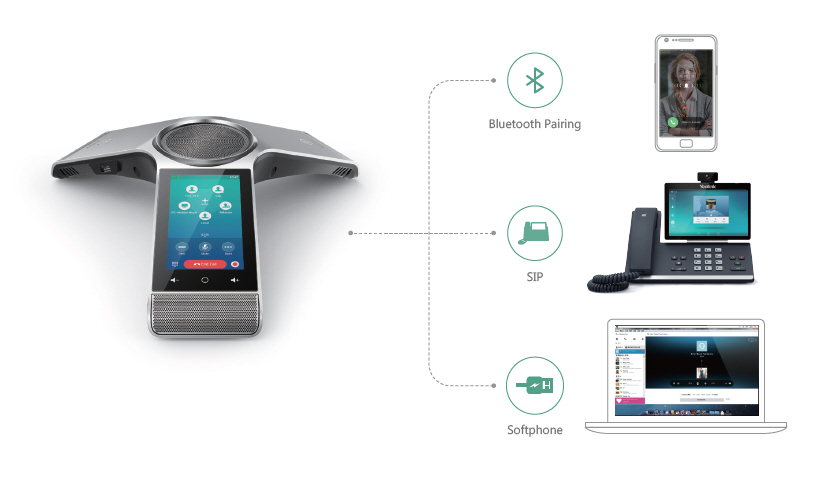
So whether your organization is steeped in tradition or eager for modern advancement—investing wisely into effective communication strategies will always pay dividends down the line!
This comprehensive exploration underscores how essential it is for businesses today not just to adopt new technologies but also recognize enduring structures within corporate culture that still hold value—like those trusty SoundCurve - Business Phone Systems VoIP Phone System Walnut CA old phones!